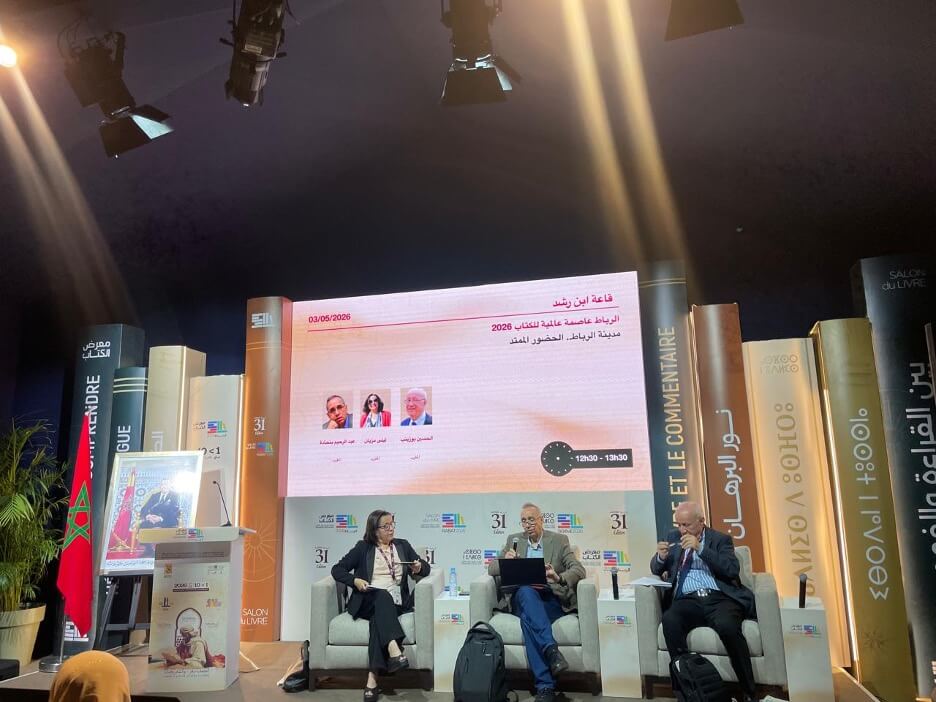
At a conference held during the International Book Fair in Rabat, researchers explored the city's significant transformation since the 17th century. They demonstrated how Rabat gradually evolved into a dynamic and cosmopolitan urban center, a process heavily influenced by the arrival of the Moriscos and the subsequent rise of maritime trade.
Abderrahim Benhadda, the conference moderator, began by describing the major events of the 17th century, a serious economic crisis, along with epidemics and conflicts between empires over control of the Mediterranean. Amid this instability, the Moriscos were expelled from Granada and from what was known as Al-Andalus.
Historian Houcine Bouzineb explained how Rabat developed before, during, and after the arrival of the Moriscos. As they left Spain in large numbers and headed toward North Africa, nearly 40,000 of them first set foot in Tetouan before later settling in Rabat, sometimes passing through cities like Seville and Ceuta
Rabat’s strategic location significantly influenced its growth. The arrival of the Moriscos, especially the Hornacheros, helped rebuild the Kasbah and organize city life. At the same time, piracy developed in Salé, making the region an important center for corsair activity.
Leila Mezian, a researcher, explained how old maps help us understand how the city grew after the Moriscos settled there, highlighting how sea trade led to the renewal of the city and how ports became places of exchange and change. “The Atlantic Ocean was the beating heart of international trade,” she said.
At the time, Rabat was an attractive city for people from Europe and also offered job opportunities for people from other parts of Morocco, especially in maritime trade. It became a major hub where different languages, cultures, and religions coexisted, including Islam, Christianity, and Judaism.