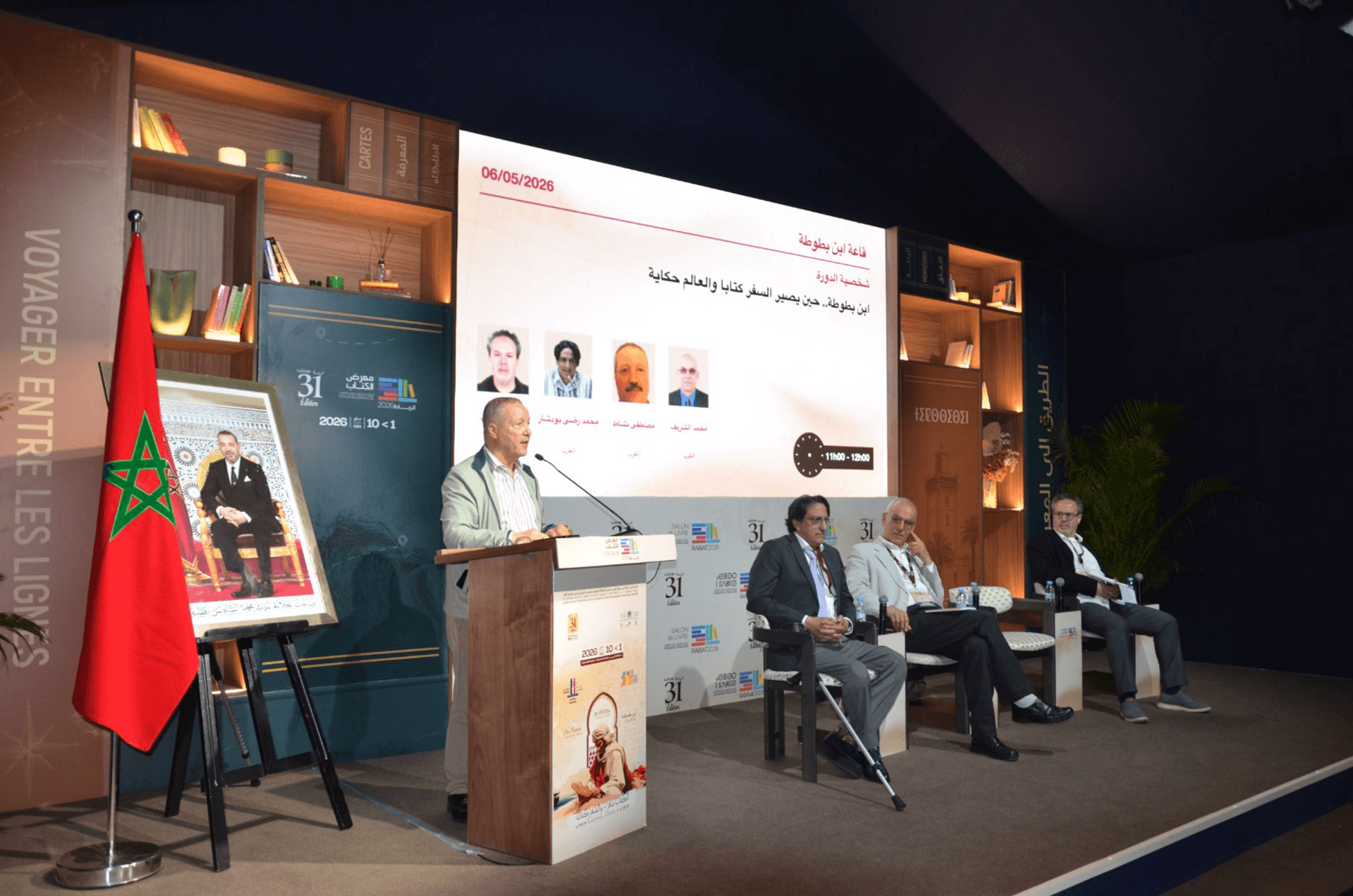
At the 31st edition of the International Book Fair, three history experts took the audience on a deep dive into Ibn Battuta’s legacy during an intimate forum paying tribute to his journeys across the world.
The conference featured three interventions, including one by Mohamed Cherif, history professor, who introduced the audience to the final travels of the famous explorer, which took place in Sudan.
The researcher in Moroccan history expanded on the Moroccan presence in Sub-Saharan Africa, where Moroccan communities thrived, participated in trade, and played the role of cultural mediators by transmitting knowledge and religious practices.
Moustapha Nashat, a Moroccan author, stated: “Ibn Battuta accomplished the longest journey known in human history, lasting more than 30 years,” adding that his work remains one of the most important historical sources on many regions, such as India, during that period. Furthermore, he advised readers to approach his writings critically.
On the other hand, Mohammed Reda Boudchar, a researcher and professor of history, reflected on what he called the “Geography of Emotions,” describing how physical spaces possess their own identities and emotions, and how travel narratives capture fear, danger, happiness, and belonging at the same time.
According to the speakers, Ibn Battuta remains a testament to the possibility of deep cultural interaction, coexistence, and mutual understanding between cultures. Through his journeys, he demonstrated a unique courage in facing threats and danger while also experiencing moments of happiness and security.